

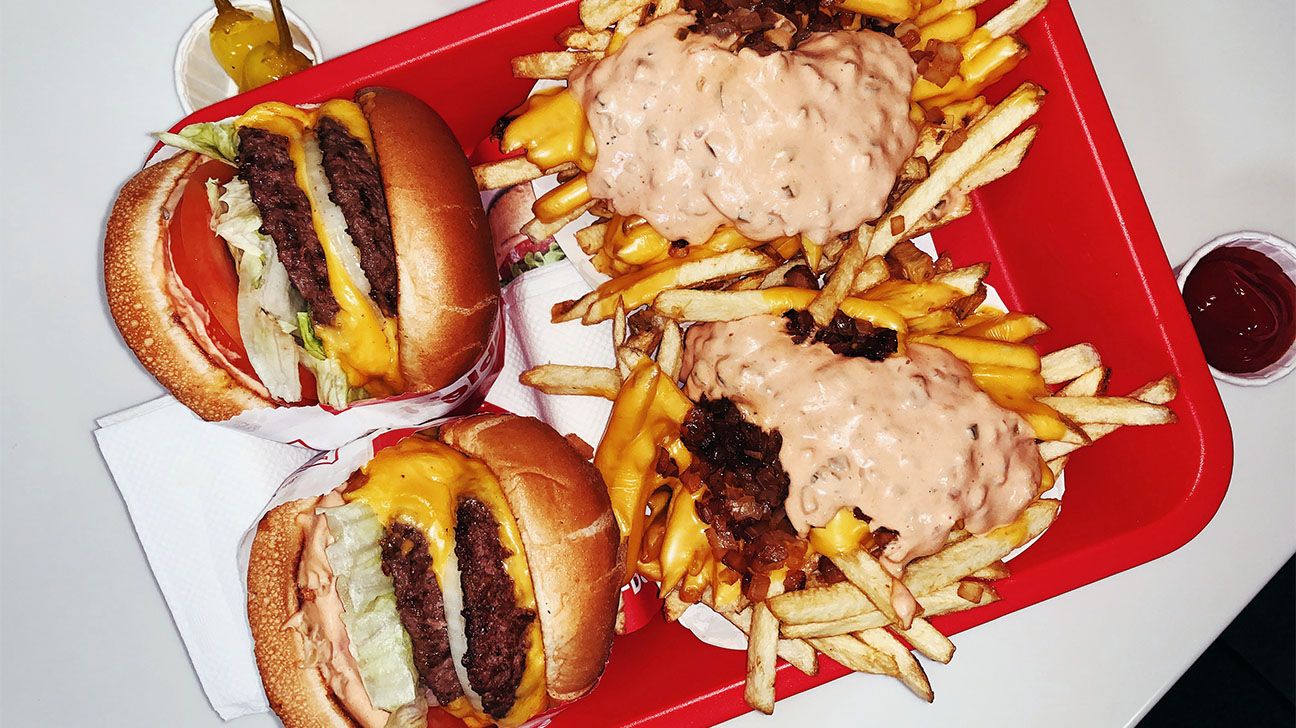
- A recent analysis found that highly engineered consumables are potentially just as habit-forming as tobacco products.
- The study authors discovered that these foods are engineered to maximize reward and accelerate the absorption of reinforcing ingredients.
- The habit-forming quality of these foods suggests they promote uncontrollable eating and hinder natural hunger cues.
- The researchers propose that UPFs should be subject to controls similar to those for cigarettes.
At present, there is not a universal definition of ultraprocessed foods. Some people define them as products that contain ingredients you would not typically use in a home kitchen, like emulsifiers and additives.
A lot of dietitians rely on the NOVA food categorization to classify ultraprocessed foods. This describes products that are “formulations of ingredients, mostly of manufacturing origin, typically created by a series of factory processes and methods.”
A recent paper released by The Millbank Quarterly indicated that UPFs are potentially just as habit-forming as cigarettes.
“I concur with this study, as UPFs are intentionally formulated to be highly appealing to most individuals,” noted a bariatric surgeon who was not involved in the study.
A study from last year estimates that more than 73% of the foods available in the United States are ultraprocessed.
“Tobacco and UPFs are not just natural products but carefully designed consumable products created purposely to maximize physical and mental reinforcement and compulsive consumption,” noted the review’s authors.
Are Ultraprocessed Foods Habit-Forming?
The paper synthesized data from substance use, historical health policy, and dietary science to identify sensory and structural qualities that boost the reinforcing potential of both tobacco and ultraprocessed foods.
“Not everyone is ‘hooked’ to such products, but for a significant portion, they elicit classic habit-forming behaviors: intense desires, loss of control, and continued use despite harmful consequences,” said a preventive cardiology dietitian.
“These foods are intentionally designed with refined carbs, extra oils, sodium, and taste additives to maximize pleasure and ongoing intake, and the industry uses aggressive marketing tactics, particularly targeting young people,” she stated.
The authors examined several important factors:
- rapid absorption
- hedonic engineering, or creating products to be irresistibly good
- dose optimization
- widespread availability
- deceptive reformulation, or “wellness branding”
They found that, similar to tobacco, UPFs are carefully calibrated to provide the right dose of sugar.
“Processed carbs stimulate dopamine production via the a key neural pathway, while lipids achieve this through intestinal lipid sensing,” the authors wrote.
“… Ultraprocessed foods with significant amounts of processed carbs and added fats are some of the most highly addictive foods in the modern diet. It is key that this refined carbohydrate-fat mix is virtually absent in nature.”
The way such products rapidly introduce “pleasure-inducing” substances to the mind renders them likely habit-forming, similarly to tobacco.
The review stated that while tobacco are designed to provide the addictive compound quickly, ultraprocessed foods are engineered to rapidly digest and absorb, as they typically have minimal fiber. This allows for the body to process fat and sugar more quickly.
The researchers also explain that ultraprocessed foods provide deliberate intense tastes that fade quickly and textures that dissolve easily. This collectively works to deliver more dopamine and prompts individuals to eat more.
‘Health Washing’ in Cigarettes, UPFs
Based on the review, both the cigarette and food industries have historically employed a strategy called “health washing.”
This is where goods are marketed and reformulated to generate an perception of less danger while maintaining the core addictive qualities.
Health washing in the tobacco industry gained traction in the mid-20th century with the introduction of filter tips on smokes.
They were sold as protective innovations that would trap harmful substances prior to they entered the respiratory system. The truth is, these tips provide minimal meaningful benefit.
However, people typically adapted by inhaling deeper or increasing consumption, which offset any reduction in toxin exposure.
The food industry has taken a comparable strategy. It employs packaging claims like “reduced fat” or “no sugar added” to promote UPFs.
Yet, these foods still contain the same addictive formulations. The problem is that these reformulations offer a surface-level impression of health while the item’s addictive structure and health risks remain intact.
Ought Ultraprocessed Foods Be Regulated?
The authors stated at the end of their paper that food and tobacco are fundamentally different.
Nevertheless, they cautioned that certain UPFs act like highly optimized consumables rather than real nourishment. They proposed that health regulations ought to acknowledge this reality.
“Tobacco provides a cautionary tale, and tobacco control offers a source of hope,” the researchers stated.
Due to regulations, smoking levels in the United States have fallen and have “reshaped public perception of smoking and diminished confidence in the sector.”
“It is my opinion greater awareness about the negative impact of ultra-processed foods is essential to reduce public intake and improve population wellness. The strategies employed to reduce tobacco use have been effective and may be a helpful model for ultra-processed foods as well,” commented one specialist.
“It is not my view ultraprocessed foods should be regulated exactly as tobacco, but they do warrant more robust, smoking policy-based policies: advertising limits, obvious packaging warnings, tighter standards on wellness assertions, and limits in educational institutions or medical facilities,” noted another nutrition professional.
The researchers pointed out to people that lightly altered and whole foods have supported our well-being for millennia.


